


Fusibility
Fusibility in ceramic test specimens measures how the body or glaze changes as temperature increases, gradually transitioning from solid to fluid through key stages (softening, sphere, hemisphere, and melting/flow). This test is used to determine the ideal firing temperature, evaluate the effectiveness of fluxing agents, and prevent defects or deformations in the piece during the kiln process.
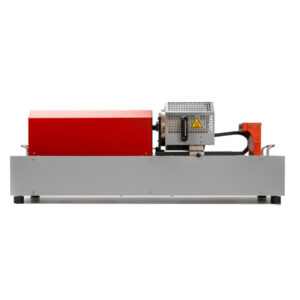
Heating Microscope GT-HMS
Description:
The heating microscope is the ideal instrument for studying the phenomena of softening, melting, swelling or combustion that occur at high temperatures in materials such…
Category:
FusibilityStandard:
The heating microscope is the ideal instrument for studying the phenomena of softening, melting, swelling or combustion that occur at high temperatures in materials such as glasses, ceramic glazes, metals, foundry sands and fuel ashes.
Heating Microscope GT-HM
Description:
The heating microscope is designed to study the phenomena of softening, melting, swelling, or combustion that occur at high temperatures in materials such as glasses,…
Category:
FusibilityStandard:
The heating microscope is designed to study the phenomena of softening, melting, swelling, or combustion that occur at high temperatures in materials such as glasses, ceramic glazes, metals, foundry sands, and fuel ashes.
Optical Dilatometer
Description:
The optical horizontal dilatometer is the ideal instrument for measuring sintering behaviour of materials (i.e. raw materials, ceramic bodies, advanced ceramics, tapes and sheets, incoherent…
Category:
FusibilityStandard:
The optical horizontal dilatometer is the ideal instrument for measuring sintering behaviour of materials (i.e. raw materials, ceramic bodies, advanced ceramics, tapes and sheets, incoherent materials)